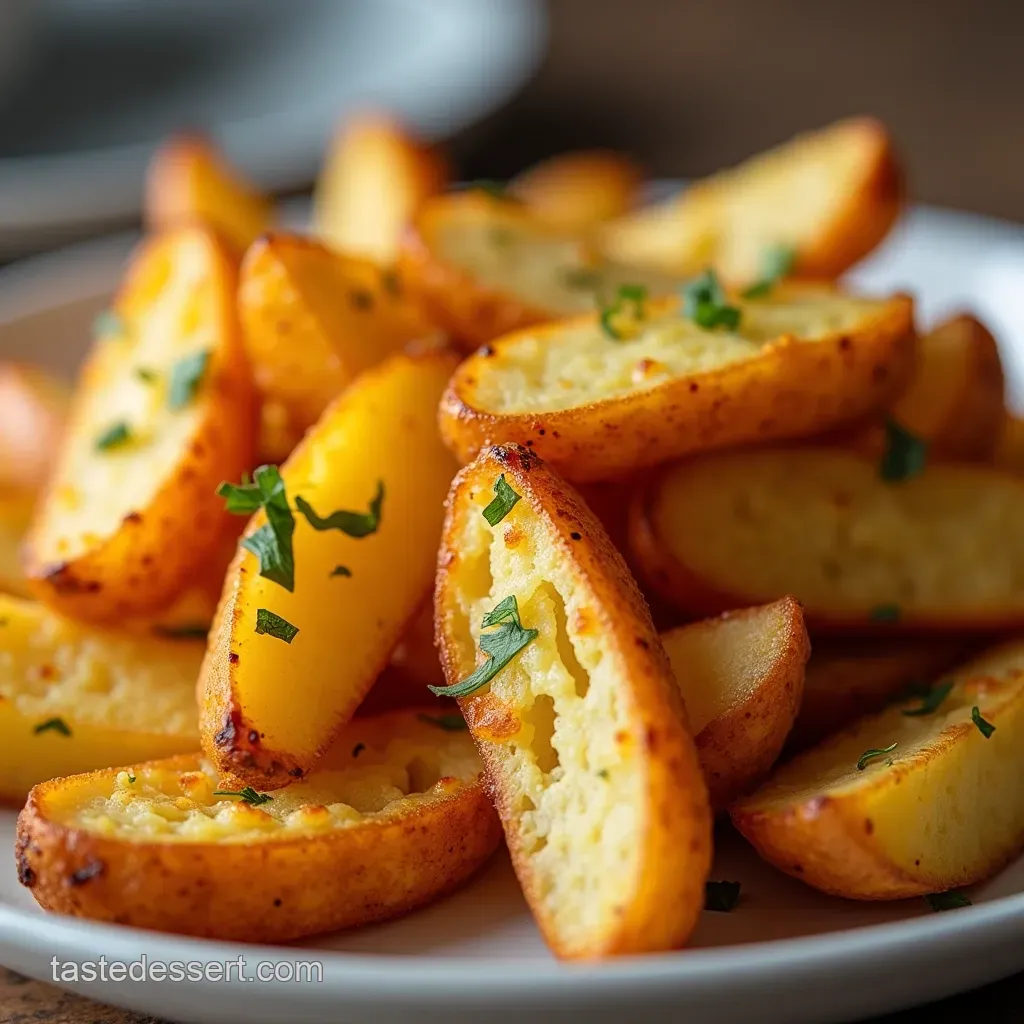
No More Soggy! Achieve Perfect Crispy Oven Wedges Every Time
There's a universally acknowledged truth: few things beat the satisfying crunch of a perfectly cooked potato. For many, that brings to mind greasy, deep-fried indulgence. But what if we told you that achieving that golden, crispy exterior with a fluffy interior is not only possible but *easy* in your own oven? No more splattering oil, no more guilt – just pure, unadulterated potato perfection. Say goodbye to disappointing, soggy oven fries and welcome the era of consistently perfect
baked potato wedges that rival any restaurant version.
This comprehensive guide will unlock the secrets to achieving irresistibly crispy oven wedges every single time. We'll delve into the science, the essential techniques, and the flavor possibilities that transform humble potatoes into a culinary masterpiece, perfect for pairing with burgers, grilled chicken, or simply devouring with your favorite dipping sauce.
The Quest for Crispy: Why Oven-Baked Beats Fried
For years, the gold standard for crispy potatoes was undeniably the deep fryer. The sizzle, the golden hue, the undeniable crunch – it was a sensory delight. However, the allure of deep-frying comes with its own set of drawbacks: the mess, the lingering oil smell, the added calories, and the sheer effort involved. This is where oven-baked alternatives shine.
Modern culinary techniques and a deeper understanding of food science have empowered home cooks to replicate that coveted crispness without needing a vat of hot oil. Oven-baked potato wedges offer a healthier, cleaner, and often more convenient path to potato nirvana. You can achieve incredible texture and flavor with minimal fuss, making them a fantastic weeknight side dish or a crowd-pleasing snack. The trick lies not in complex equipment, but in mastering a few simple yet crucial techniques that guarantee every bite is seasoned, crispy perfection – no soggy disappointment in sight.
The Science of Superior Crispness: Unveiling the Secrets to Perfect Baked Potato Wedges
Achieving truly crispy
baked potato wedges isn't magic; it's science. Understanding a few key principles will elevate your potato game from good to absolutely glorious.
The Power of the Soak: Starch, Water, and Crunch
This is arguably the most critical step and the secret weapon against sogginess. Before seasoning and baking, cut your potatoes into wedges and immerse them in a bowl of *cold* water for 20-30 minutes. Why? Potatoes are rich in starch. When heated, this excess surface starch can turn sticky and gummy, preventing the exterior from crisping up properly. Soaking in cold water draws out this surface starch.
Think of it like this: the starch creates a barrier. By removing it, you allow the potato's surface to directly interact with the hot oven air, promoting a beautiful golden-brown crust. It's crucial that the water is *cold*; warm or hot water can activate the starch, leading to the very gumminess you're trying to avoid.
For a deeper dive into this game-changing technique, read our article:
Unlock Ultra-Crispy Baked Potato Wedges: The Soaking Secret.
The Absolute Necessity of Drying
After their starch-removing bath, your potato wedges will be wet. This is where many aspiring crispy potato chefs falter. Wet potatoes will *steam* in the oven, not bake. Steaming equals soggy. To counteract this, thoroughly dry your wedges. Use a clean kitchen towel or paper towels to pat them until they are as dry as possible. This step ensures that the heat can immediately begin creating that desirable crispy crust.
High Heat: The Maillard Reaction's Best Friend
Once your potatoes are soaked, dried, and seasoned, they're ready for the heat. And we mean *high* heat. A preheated oven temperature of at least 425°F (220°C) is essential. High heat accomplishes two things:
- It quickly seals the exterior of the potatoes, kickstarting the Maillard reaction – the chemical process responsible for browning and the complex flavors of caramelized foods.
- It locks in moisture, ensuring the interior remains tender and fluffy while the outside crisps to perfection.
The Golden Rule: Don't Crowd the Pan
This is another non-negotiable for achieving crispy results. When you overcrowd a baking sheet, the potatoes release moisture, and instead of baking, they end up steaming each other. The result? You guessed it – soggy potatoes. Always arrange your wedges in a single layer with ample space around each piece for air circulation. If necessary, use two baking sheets. Your oven-baked potato wedges will thank you.
Flip for Flawless Evenness
To ensure uniform crispness and browning on all sides, don't forget to flip your potato wedges halfway through the baking time. This exposes all surfaces to the direct heat of the baking sheet and the oven's circulating air.
Skins On for Extra Texture and Flavor
Resist the urge to peel your potatoes! Leaving the skins on not only adds rustic charm and a lovely textural contrast but also provides additional fiber and nutrients. Plus, it's less work for you!
Essential Ingredients & Flavor Customization for Your Baked Potato Wedges
The beauty of
baked potato wedges lies in their simplicity, yet there's vast room for flavor experimentation.
Choosing Your Potatoes
While many potato varieties can work, some are superior for achieving that perfect crisp-to-fluffy ratio:
- Russet Potatoes: These starchy potatoes are highly recommended. Their high starch content breaks down beautifully, yielding a fluffy interior while their skins crisp up exceptionally well.
- Yukon Gold Potatoes: An excellent all-purpose option. They're slightly less starchy than Russets but still offer a creamy interior and good crisping potential.
Regardless of your choice, ensure you cut your wedges to a consistent size. This ensures even cooking, so you don't end up with some undercooked and some over-crisped pieces.
The Role of Oil
Coating your potatoes generously with oil is crucial. It acts as a conductor for heat, helping the potatoes caramelize and crisp, and also ensures your seasonings adhere evenly.
- Olive Oil: A classic choice, offering good flavor.
- Avocado Oil: A neutral-flavored oil with a high smoke point, making it excellent for high-heat baking.
Seasoning Blends: Your Flavor Canvas
While a simple sprinkle of salt and pepper is delicious, the right seasoning blend elevates your wedges from good to unforgettable. The reference context suggests a fantastic base:
- Salt and Black Pepper: The absolute essentials. Don't be shy with the salt; potatoes need it!
- Garlic Powder & Onion Powder: These aromatics add depth and savory notes without the risk of fresh garlic burning at high heat.
- Paprika: Provides a lovely reddish hue and a subtle, earthy sweetness. Smoked paprika can add an extra layer of complexity.
But don't stop there! Think of these as a starting point for endless customization:
- Herbal Infusion: Add dried rosemary, thyme, or oregano for an aromatic, Mediterranean touch.
- Spicy Kick: A pinch of cayenne pepper or chili powder can add a delightful warmth.
- Cheesy Crust: As hinted in the reference, a dusting of finely grated Parmesan cheese creates an unbelievably golden, crusty exterior that bakes into the potato.
- Exotic Flavors: Experiment with curry powder, cumin, or a blend of za'atar.
- Pre-made Blends: Save time with store-bought ranch powder, Cajun seasoning, or taco seasoning for a specific flavor profile.
For more ideas on how to season your crispy oven-baked potato wedges, check out:
Easy Oven-Baked Potato Wedges: Crispy, Flavorful, No Frying.
Beyond the Basics: Pro Tips for Next-Level Baked Potato Wedges
You've mastered the fundamentals, but a few extra tricks can push your
baked potato wedges into gourmet territory.
Parchment Paper or Silicone Liners: Your Cleanup Heroes
Always line your baking sheets with parchment paper or a silicone baking mat. This prevents sticking, especially with starchy potatoes, and makes cleanup incredibly easy. It also helps promote browning on the bottom.
The Hot Start: Preheat Your Pan
For an extra boost of crispness, especially on the underside of your wedges, place your empty lined baking sheet into the oven as it preheats. Once hot, carefully (and quickly!) spread your seasoned wedges onto the sizzling surface. This immediate contact with high heat creates an instant sear, contributing to an even crispier exterior.
Perfect Pairings and Dipping Delights
Crispy potato wedges are incredibly versatile. They make an excellent side dish for:
- Juicy burgers and sandwiches
- Grilled or roasted chicken and fish
- Steak or pork chops
- Hearty salads
And let's not forget the dipping sauces! Elevate your snack time with:
- Classic ketchup or spicy sriracha ketchup
- Creamy ranch or blue cheese dressing
- Garlic aioli or a tangy comeback sauce
- Cool sour cream and chives
- A homemade honey mustard or barbecue sauce
Troubleshooting: When Things Go Wrong
*
Still Soggy? Double-check your drying process. Were they truly dry? Was the pan overcrowded? Was your oven hot enough? Review these key steps.
*
Burnt, But Not Crispy? Your oven might run hot, or your wedges might be cut too thin. Keep an eye on them, especially towards the end of baking, and consider investing in an oven thermometer to verify accuracy.
*
Seasoning Not Sticking? Ensure you've coated the wedges thoroughly with oil *before* adding the seasonings. The oil acts as the adhesive.
Conclusion
Transforming humble potatoes into extraordinary, crispy
baked potato wedges is a culinary art form that is entirely within your grasp. By understanding the science behind starch removal, embracing the power of high heat, and paying attention to crucial details like proper drying and pan crowding, you can achieve restaurant-quality results in your own kitchen. Experiment with different seasoning blends and dipping sauces to make these irresistible wedges truly your own. So, ditch the deep fryer, embrace the oven, and prepare to enjoy a perfectly crunchy, fluffy, and flavorful potato experience every single time. Happy baking!