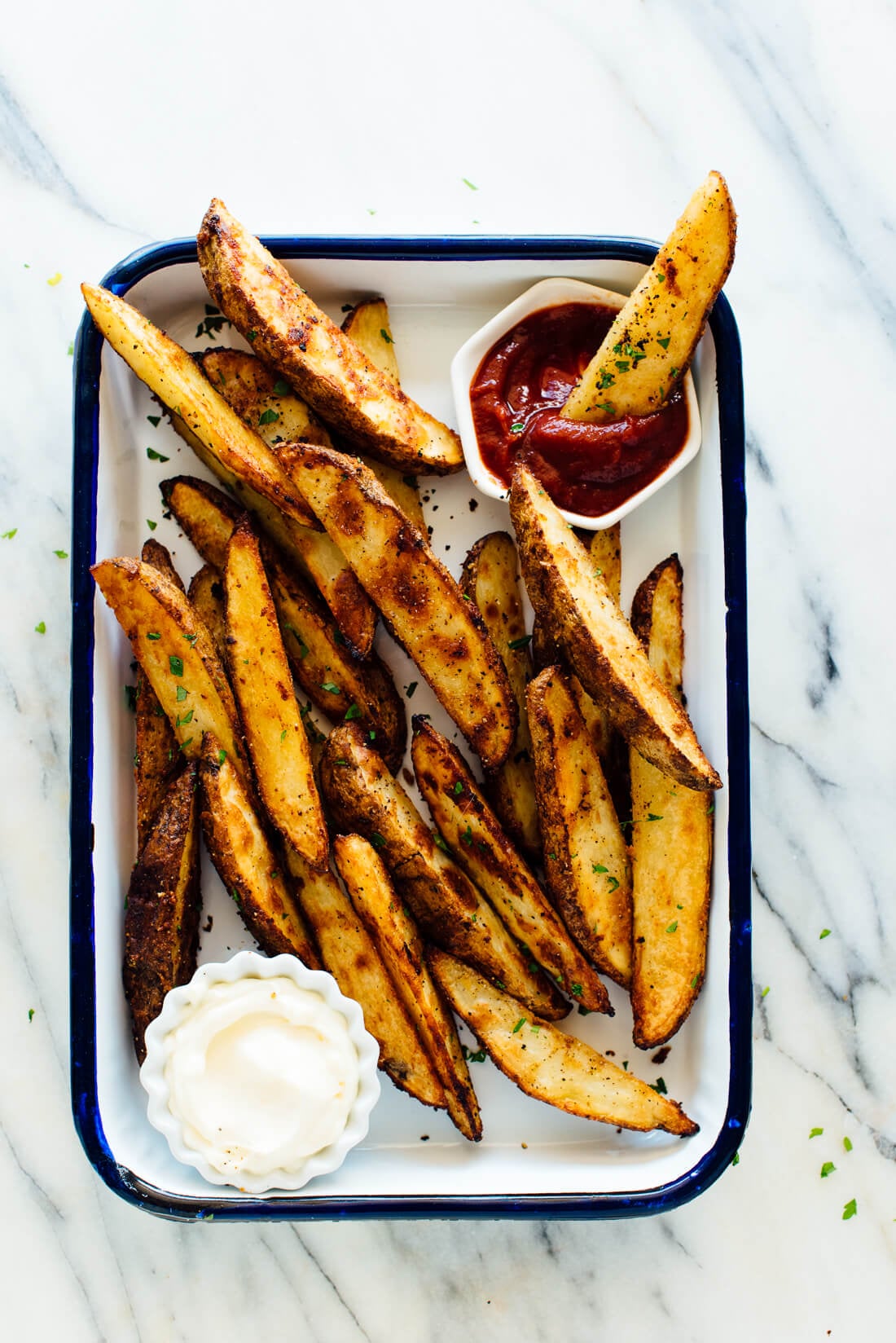
Unlock Ultra-Crispy Baked Potato Wedges: The Soaking Secret
There's nothing quite like biting into a perfectly cooked potato wedge: gloriously golden and crisp on the outside, giving way to a tender, fluffy interior. Yet, for many home cooks, achieving this ideal texture often feels like chasing a culinary unicorn. The common lament? Soggy, limp, or unevenly cooked wedges that fall short of restaurant-quality crunch. If you've ever dreamt of effortlessly creating irresistible crispy, flavorful oven-baked potato wedges without the hassle of deep frying, you're in the right place. We're about to reveal the simple yet transformative secret that elevates homemade potato wedges from good to absolutely glorious: the power of a cold water soak.
Forget the myth that deep-frying is the only path to true potato crispness. With the right technique, your oven can deliver incredible results with significantly less mess and a healthier profile. This guide will walk you through the scientific principles and practical steps, ensuring that your next batch of oven-roasted potato wedges are perfectly crisp every single time, establishing them as a coveted side dish for everything from juicy burgers to grilled chicken, or simply as a delightful snack dipped in your favorite comeback sauce.
The Science of Crispness: Why Soaking Potatoes is a Game-Changer
The "soaking secret" isn't just an old wives' tale; it's backed by solid kitchen chemistry. Potatoes, particularly starchy varieties like Russets, are rich in starch. When cut and exposed to heat, this excess surface starch can turn gummy and sticky, preventing the potato's exterior from achieving that coveted crisp, golden crust. Instead, it forms a barrier that traps moisture, leading to a steamed, soggy outcome rather than a beautifully caramelized crunch.
Here's how a simple cold water soak works its magic:
- Starch Removal: Submerging your cut potato wedges in cold water for 20-30 minutes effectively leaches out a significant amount of the surface starch. Think of it as a pre-wash for your potatoes, removing the very element that hinders crispness.
- Preventing Stickiness: By reducing surface starch, you eliminate the stickiness that can make wedges cling to each other and the baking sheet, promoting better air circulation and even cooking.
- Encouraging Browning: With less starch to gum things up, the natural sugars in the potato are free to caramelize and react with amino acids through the Maillard reaction, resulting in that irresistible golden-brown hue and enhanced flavor.
- The Importance of Cold Water: This distinction is crucial. Using warm or hot water can actually activate the starch, causing it to swell and release, potentially leading to a mushier, gummy texture. Cold water keeps the starch inert and encourages it to dissolve away.
Once soaked, the next critical step is thoroughly drying the wedges. Any residual moisture will turn to steam in the hot oven, effectively undoing all the good work of the soak. Pat them aggressively with paper towels or use a clean kitchen towel until they are completely dry to the touch. This ensures that when they hit the hot baking sheet, they immediately start to roast and crisp, not steam.
Beyond the Soak: Mastering Your Bake for Ultimate Crispy Baked Potato Wedges
While the soak is undeniably the foundation, several other factors contribute to truly exceptional baked potato wedges. Think of it as a symphony of techniques working in harmony to create culinary perfection.
Choosing the Right Potatoes
Not all potatoes are created equal when it comes to wedges. For the ultimate crispy exterior and fluffy interior, starchy potatoes are your best bet. Russet potatoes (also known as baking potatoes) are a top recommendation due to their high starch content, which helps achieve that desirable contrast in texture. Their thick skins also add extra chewiness and flavor. Yukon Gold potatoes, an all-purpose variety, can also yield excellent results with a slightly creamier interior. While red or new potatoes can be delicious roasted, their waxy texture makes them less ideal for achieving the ultra-crispy wedge experience.
Perfect Prep: Uniformity and Seasoning
After soaking and drying, uniform cutting is paramount. Aim for wedges that are roughly the same size and thickness. This ensures they cook evenly, preventing some from burning while others remain undercooked. Typically, cutting a medium potato into 6-8 wedges is ideal. Leaving the skins on is highly recommended, as they contribute significantly to both texture and a rustic, appealing flavor.
Next comes the seasoning and oil. A good coating of oil is non-negotiable; it helps the seasonings adhere, promotes even browning, and contributes to the overall crispness. Extra virgin olive oil, avocado oil, or even a neutral canola oil work well. For seasoning, a classic blend of salt, black pepper, garlic powder, onion powder, and paprika is always a winner. However, don't be afraid to experiment!
- Herbal Infusion: Add dried rosemary, thyme, or oregano for an aromatic twist.
- Smoky Kick: A pinch of smoked paprika or a dash of chili powder can add depth.
- Cheesy Crunch: A light dusting of finely grated Parmesan cheese before baking creates an incredible golden, crusty layer that adds an extra dimension of crispness and savory flavor.
- Spicy Excitement: Cayenne pepper or a touch of red pepper flakes for those who like a bit of heat.
The Oven Environment: Heat and Space
High heat is crucial. Baking baked potato wedges at a temperature of 425°F (220°C) or even 450°F (230°C) helps to quickly seal the exterior of the potatoes, creating a crisp crust while locking in moisture to keep the inside tender and fluffy. Always preheat your oven thoroughly. Another non-negotiable tip: do not overcrowd the pan. This is perhaps the most common mistake after not drying the potatoes. When wedges are too close together, they release moisture, creating steam that leads to sogginess instead of crisping. Use two sheet pans if necessary, ensuring each wedge has ample space for air to circulate around it. Lining your baking sheets with parchment paper or a silicone mat also aids in cleanup and prevents sticking, contributing to a better crisp bottom.
For even browning and all-around crispness, make sure to flip your potato wedges halfway through the baking time. This exposes all sides to the direct heat of the baking sheet and the oven's convection, ensuring every surface gets a chance to turn golden and crunchy.
Your Step-by-Step Guide to Irresistible Baked Potato Wedges
- Prepare Your Potatoes: Wash 2-3 large Russet or Yukon Gold potatoes thoroughly. Cut each potato lengthwise into uniform wedges (typically 6-8 per potato).
- The Soaking Secret: Place the cut wedges into a large bowl and cover them completely with cold water. Let them soak for 20-30 minutes.
- Dry Thoroughly: Drain the potatoes completely. Spread them out on a clean kitchen towel or several layers of paper towels and pat them until they are absolutely dry. This step is critical!
- Season for Flavor: Transfer the dried wedges to a large bowl. Drizzle with 2-3 tablespoons of your preferred oil (olive, avocado). Add your chosen seasoning blend (e.g., 1 tsp salt, ½ tsp black pepper, 1 tsp garlic powder, ½ tsp onion powder, 1 tsp paprika). Toss vigorously to ensure every wedge is evenly coated. For extra crispness, sprinkle with 1-2 tbsp finely grated Parmesan cheese if desired.
- Arrange on Baking Sheets: Preheat your oven to 425°F (220°C). Line one or two large baking sheets with parchment paper. Arrange the seasoned wedges in a single layer, ensuring they are not touching. Give them space!
- Bake to Perfection: Bake for 20-25 minutes, then carefully flip each wedge. Continue baking for another 20-25 minutes, or until the wedges are deeply golden brown and deliciously crispy on all sides. Cooking time may vary based on your oven and wedge thickness.
- Serve Immediately: Transfer the hot, crispy wedges to a serving platter and enjoy them while they're fresh and crunchy!
Serving Suggestions for Your Crispy Masterpiece
Once you've perfected your baked potato wedges, the serving possibilities are endless. They are incredibly versatile and pair well with almost anything.
- Classic Companions: Serve them alongside your favorite burgers, hot dogs, grilled steaks, or roasted chicken. They make an excellent alternative to traditional french fries.
- Dipping Delight: Offer a variety of dipping sauces: classic ketchup, creamy ranch, spicy sriracha aioli, tangy BBQ sauce, or a homemade comeback sauce.
- Breakfast Booster: Pair them with eggs and bacon for a hearty breakfast or brunch.
- Loaded Wedges: Turn them into a meal! Pile them high with melted cheese, crispy bacon bits, green onions, and a dollop of sour cream for a delicious appetizer or light dinner.
- Global Flavors: Adapt your seasoning and dips to various cuisines – think a cilantro-lime drizzle for a Mexican twist or a curry mayo for an Indian-inspired snack.
Conclusion
Gone are the days of disappointing, soggy potato wedges. With the simple yet powerful technique of soaking your cut potatoes in cold water, followed by careful drying, proper seasoning, and high-heat baking without overcrowding, you are now equipped to create truly ultra-crispy baked potato wedges every single time. This method not only delivers superior texture and flavor but also offers a healthier, less messy alternative to deep-frying. Embrace the science, savor the crunch, and unlock a new level of potato perfection in your kitchen. Your taste buds, and your guests, will thank you!
